۴ اردیبهشت تا ۸ خرداد ۱۴۰۵
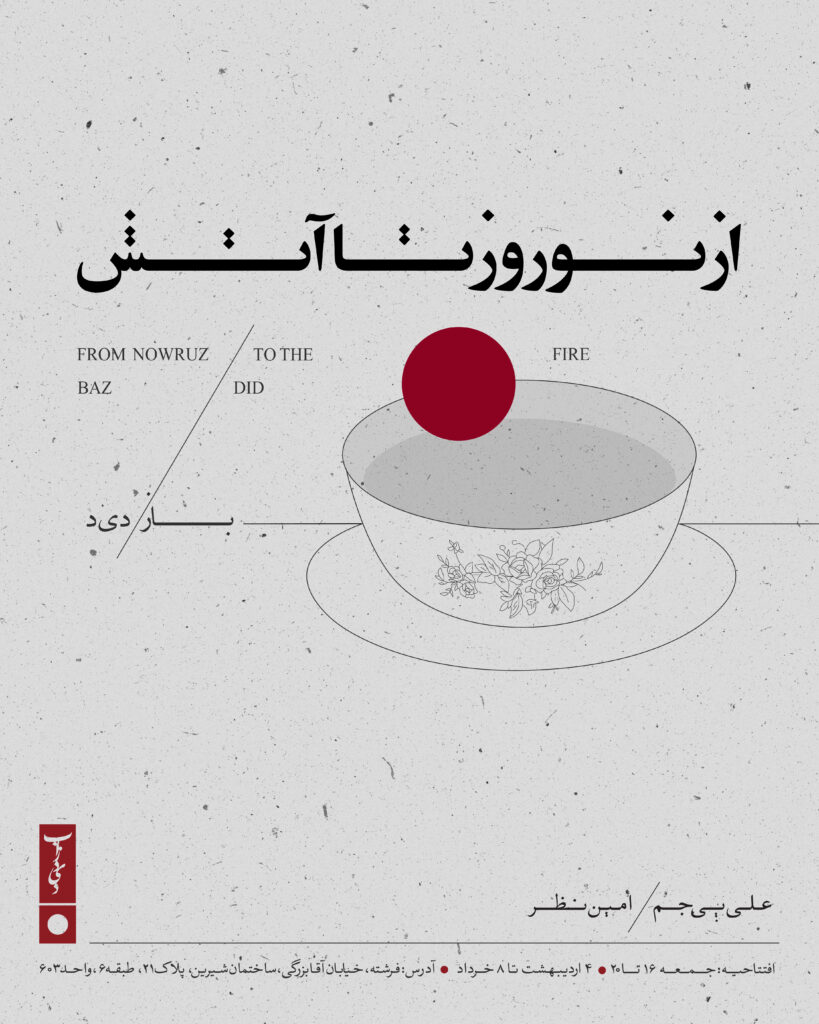
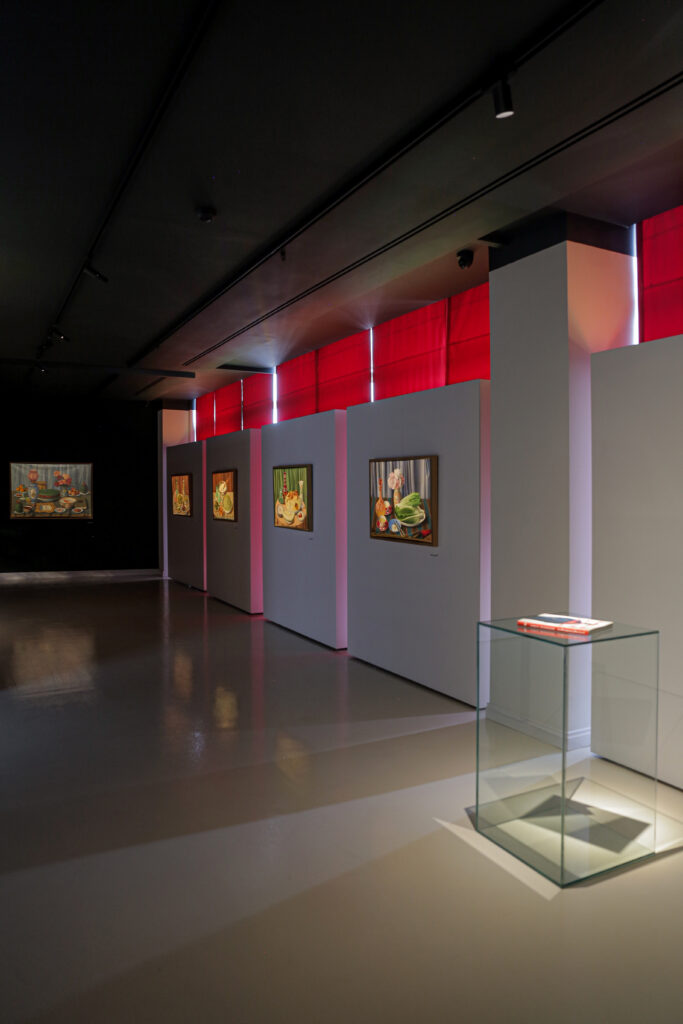
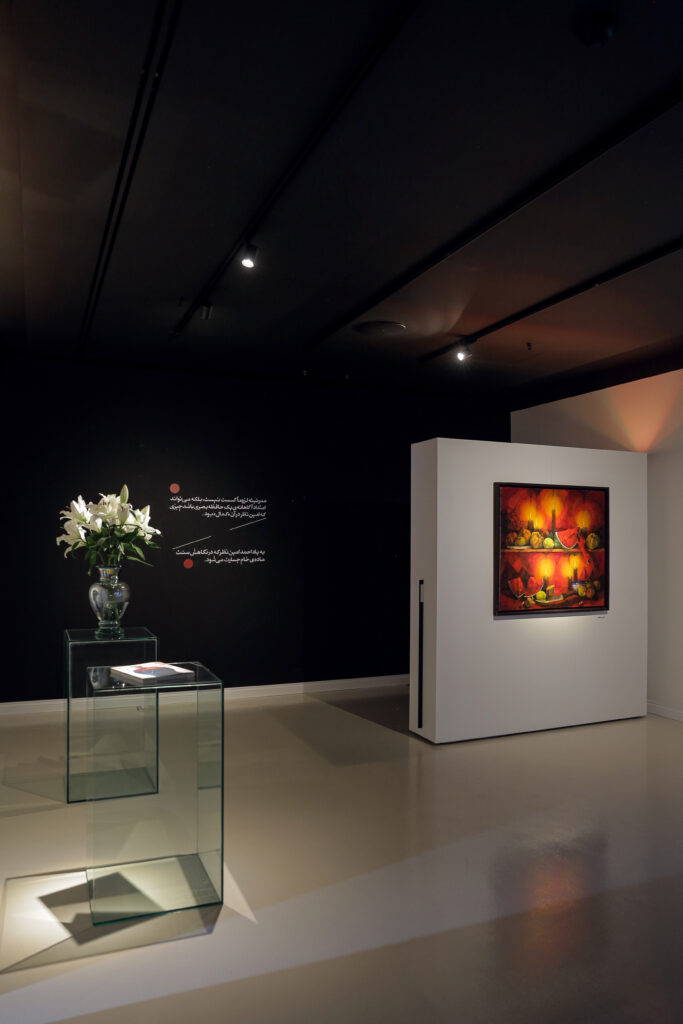
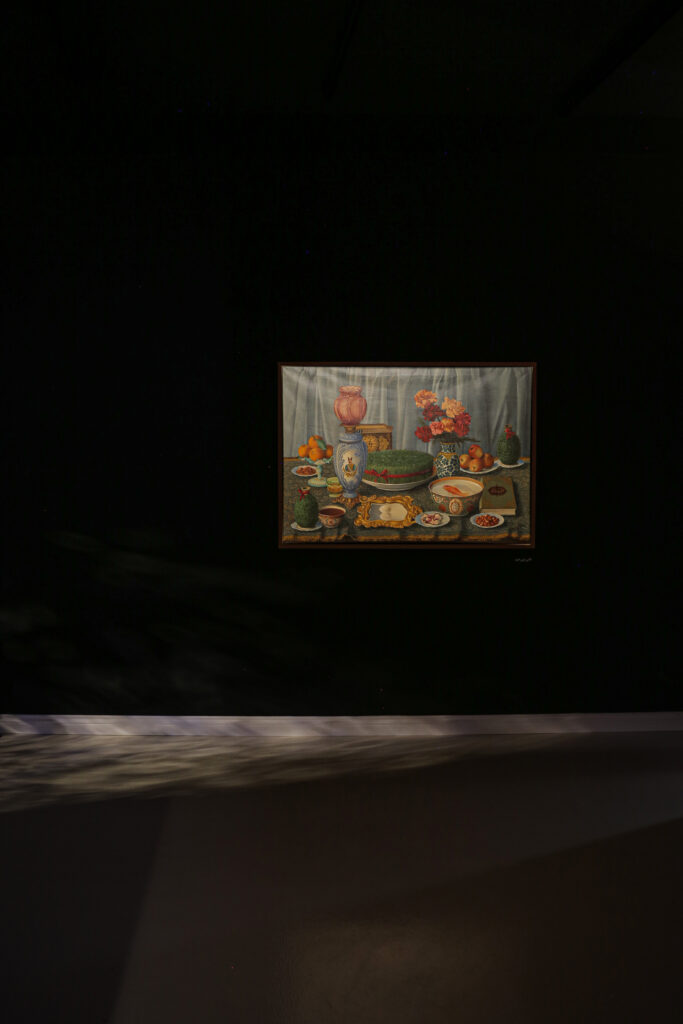
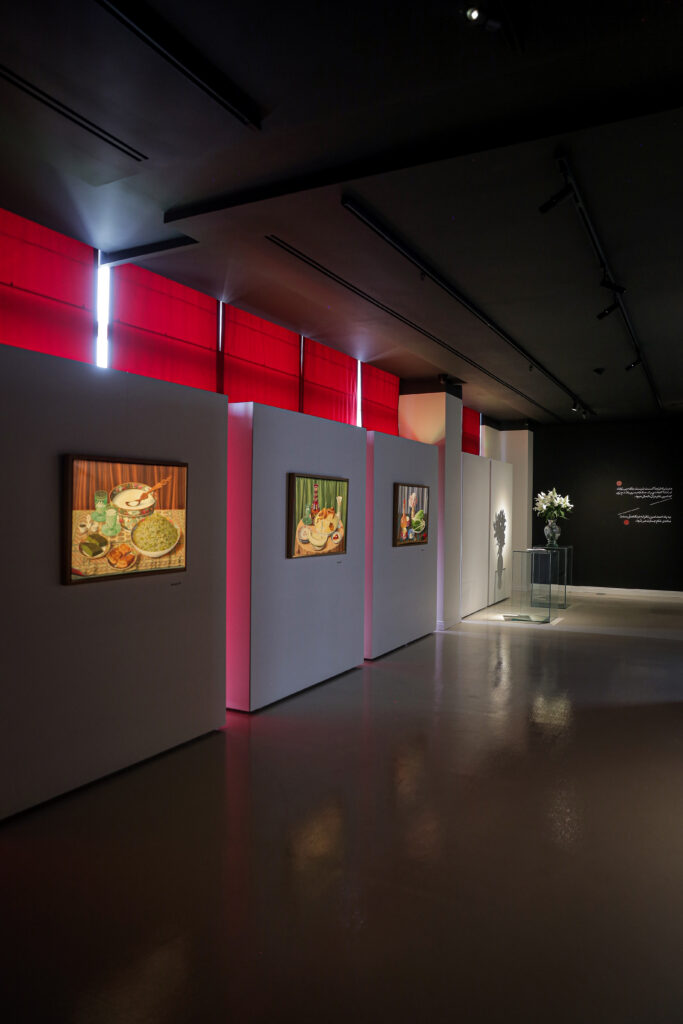
«سفره» بهمثابه صحنهای برای حضور، همنشینی و معناست. از نوروز و سفره هفتسین گرفته تا آیینهای چهارشنبهسوری و دیگر سفرههای آیینی، این چیدمانها نه صرفاً مجموعهای از اشیا بلکه بازتابی از یک جهانبینی هستند، که در آن «با هم بودن» به یک ارزش زیباشناختی و حتی معنوی بدل میشود. در تاریخ هنر ایران، به ویژه در دورههایی مانند نگارگری ایرانی و دوران صفوی، صحنههای بزم، ضیافت، گردهمایی، حضوری پررنگ دارند. این تصاویر نه تنها نمایشگر خوراک و اشیا هستند بلکه روایتی از همزیستیاند، لحظهای که در آن انسانها در کنار یکدیگر، معنا را تجربه میکنند.سفره یک جمع مشترک است، همنشینی افراد در تعریفی مشترک، جایی که زمان کندتر میگذرد، فاصلهها کم میشود و رابطهها شکل میگیرند. هر عنصری روی سفره، از ظرفها و نقشها تا رنگها و بافتها، حامل نشانهای از حافظه جمعی و فرهنگ است.این چیدمانها، همچون یک ترکیببندی هنری، تعادل میان فرد و جمع را به تصویر میکشند. در جهانی که سرعت و تنهایی بر آن سایه انداخته، بازگشت به این آیینها یادآور یک حقیقت ساده اما عمیق است: کنار هم نشستن، دیدن یکدیگر، و شریک شدن در لحظه، خود شکلی از زیبایی است؛ زیباییای که در طول تاریخ، هم در زندگی و هم در هنر تکرار شده همچنان زنده است.
The ceremonial spread as a stage for presence, companionship, and meaning. From Nowruz and the Haft-Seen table to the rituals of Chaharshanbe Suri and other ceremonial spreads, these arrangements are not merely a collection of objects, but rather a reflection of a worldview in which being together becomes an aesthetic and even spiritual value.In the history of Iranian art, especially in periods such as Persian miniature painting and the Safavid era, scenes of feasts, banquets, and gatherings have a prominent presence. These images are not only representations of food and objects, but also narrate a moment of coexistence—a moment in which human beings experience meaning together, side by side.A table is a shared gathering space, the coexistence of individuals within a common definition, a place where time slows down, distances decrease, and relationships take shape. Every element on the table—from vessels and patterns to colors and textures—carries a sign of collective memory and culture.These arrangements, like an artistic composition, depict the balance between the individual and the collective. In a world overshadowed by speed and loneliness, returning to rituals reminds us of a simple yet profound truth: sitting together, seeing one another, and sharing the moment is itself a form of beauty. This beauty has been repeated throughout history, both in life and in art, and it remains alive today